

In the fast-paced world of software development, the creation of HCS 411GITS stands out like a unicorn at a horse race. This innovative software didn’t just appear out of thin air; it was meticulously crafted by a team of tech wizards who combined creativity with cutting-edge technology. Imagine a group of engineers huddled over coffee, brainstorming ideas that could revolutionize how we interact with technology.
How HCS 411GITS Software Built
HCS 411GITS represents an advanced solution designed to enhance user experiences in various applications. Built using state-of-the-art technology, it incorporates user-friendly features that facilitate seamless interaction. Engineers focus on integrating innovative functionalities, ensuring the software meets specific user needs.
The development process emphasizes collaboration among team members, promoting the exchange of ideas. Creative brainstorming sessions lead to unique solutions that address common challenges faced by users. Additionally, rigorous testing phases confirm the software’s reliability and performance standards.
Adaptability stands as a core principle in the HCS 411GITS design. Users can tailor functionalities to match their preferences, enhancing usability across multiple platforms. This flexibility allows for effective integration into existing systems, making it a versatile tool for organizations.
Security features also earn priority during development. Robust protocols safeguard user data and maintain system integrity. Engineers implement encryption methods to protect sensitive information, ensuring compliance with industry regulations.
Overall, HCS 411GITS reflects a commitment to innovation and user-centric design. Its development journey underscores the importance of collaboration, creativity, and security in producing effective software solutions.
Key Features of HCS 411GITS Software
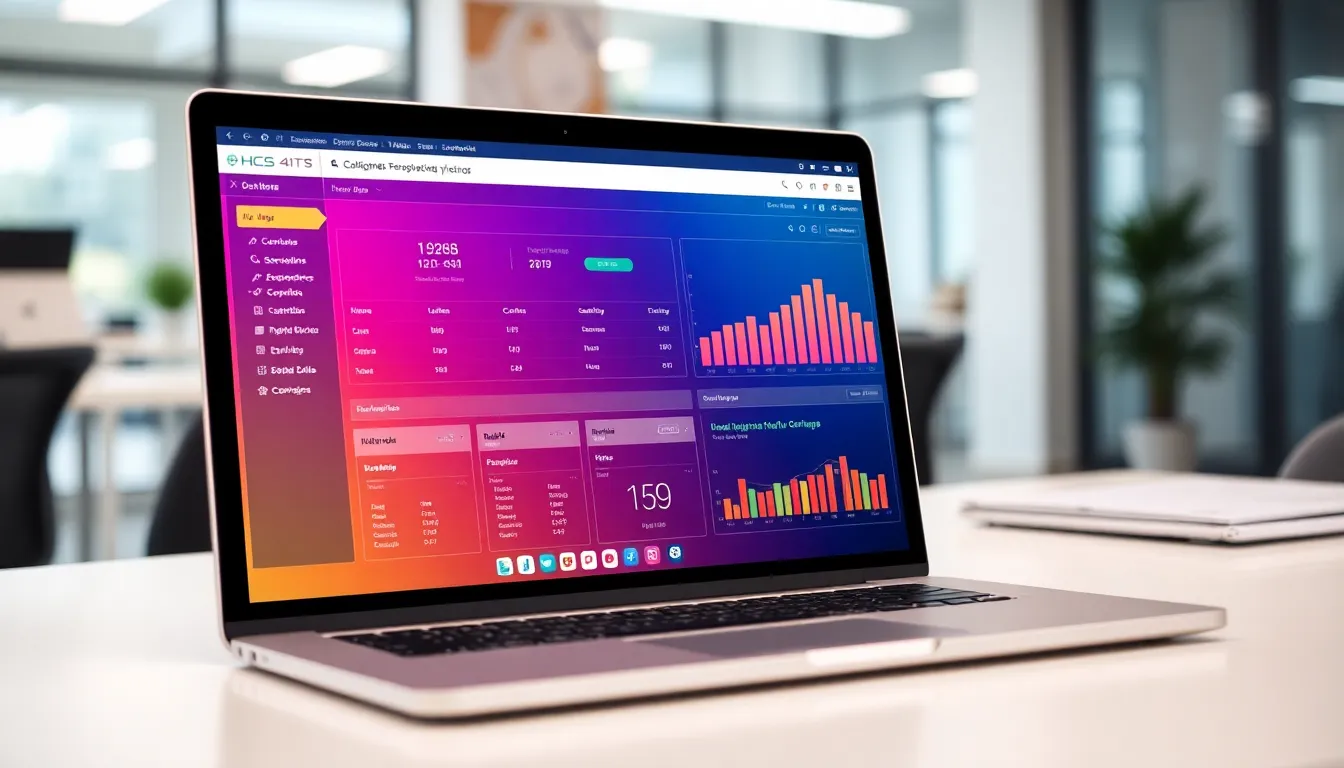
HCS 411GITS offers a range of cutting-edge features designed to enhance user experiences and streamline interactions with technology.
User Interface Design
User interface design emphasizes simplicity and intuitiveness. Navigation occurs effortlessly, allowing users to locate functions quickly. Visual elements include vibrant colors and responsive layouts, contributing to an engaging user experience. Feedback mechanisms guide users during interactions, ensuring clarity. Accessibility considerations ensure that the interface meets diverse user needs. Additionally, customization options let users tailor their interface according to personal preferences, further enhancing usability.
Functionality Highlights
Functionality highlights demonstrate the software’s versatility. Task automation streamlines workflows, reducing time spent on repetitive actions. Integration capabilities facilitate seamless connectivity with existing systems, promoting interoperability. Advanced analytics provide users with actionable insights, enhancing decision-making processes. Security protocols ensure data protection, offering peace of mind. User support channels remain accessible, ensuring help is available whenever needed. Features continuously evolve, adapting to emerging user needs and technological advancements.
Development Process of HCS 411GITS Software
The development of HCS 411GITS involved meticulous planning and innovative thinking, allowing the team to craft a robust software solution.
Initial Concept and Planning
Initial concepts focused on understanding user pain points. The team conducted thorough research to identify specific needs within the target audience. Brainstorming sessions generated diverse ideas, ensuring various perspectives shaped the planning process. User feedback played a critical role, guiding feature prioritization and design elements. The outcome of these discussions led to a well-defined project scope and clear objectives that influenced the overall development strategy.
Technology Stack Used
HCS 411GITS employs a modern technology stack tailored for optimal performance. Key programming languages include JavaScript and Python, chosen for their versatility and community support. For database management, PostgreSQL was selected due to its reliability and scalability. The software’s architecture utilizes microservices, enhancing modularity and simplifying updates. Cloud computing platforms, like AWS, facilitate seamless deployment, ensuring high availability and security. With this stack, developers achieved a balance between functionality, efficiency, and user satisfaction.
Coding and Implementation
Coding commenced once the planning phase concluded, following best practices and established coding standards. Agile methodologies promoted flexibility, allowing iterative adjustments throughout development. Code reviews ensured quality and maintainability, while automated testing streamlined the verification process. Collaborative tools enabled effective communication among team members, fostering a cohesive coding environment. Implementation focused on user-friendly features and seamless functionality, reflecting the software’s commitment to enhancing user experiences. Continuous integration practices supported timely updates and efficient deployment cycles.
Testing and Quality Assurance
Testing and quality assurance processes played a crucial role in the development of HCS 411GITS. The goal was to ensure reliability and functionality across various scenarios.
Types of Testing Conducted
Unit testing targeted individual components to verify their functionality. Integration testing examined the interactions between different modules, ensuring they worked seamlessly together. Performance testing evaluated the software’s behavior under high loads, identifying potential bottlenecks. User acceptance testing involved actual users assessing the software in real-life scenarios, gathering valuable insights into usability. Automated testing contributed significantly, providing rapid feedback during development cycles and minimizing human error.
Feedback and Iterations
User feedback was essential throughout the testing phase. Regularly collected input from beta testers informed design improvements and feature adjustments. This iterative approach allowed the team to refine the software continuously. Each iteration responded directly to user needs and preferences, enhancing overall satisfaction. Rapid adaptations occurred based on real-world usage patterns, ensuring the final product remained relevant and user-focused. The commitment to iterative improvements directly aligned with the software’s vision of an optimal user experience.
Deployment and User Support
Deployment of HCS 411GITS occurs through a streamlined process ensuring minimal disruption to users. Updates are released regularly, enhancing system functionality while maintaining backward compatibility with previous versions. The software integrates easily into various environments, adapting to both cloud-based and on-premises setups.
User support channels feature multiple options, including live chat, email, and comprehensive documentation. These resources contribute to swift resolution of user inquiries, ensuring an efficient support experience. In addition, a dedicated team collaborates with users to gather feedback and incorporate suggestions into future updates.
Training sessions are offered to familiarize users with software features, enhancing their proficiency. Interactive tutorials guide users through functionalities, fostering a deeper understanding of available tools. Regular webinars also provide insights into advanced use cases, equipping users with best practices.
Feedback mechanisms actively invite user input, allowing the software to evolve based on real-world usage and preferences. Continuous monitoring of performance and user experience ensures quick identification of any issues that may arise.
User satisfaction remains a top priority for the development team. They conduct regular surveys and analyze feedback to enhance the software’s capabilities further. This commitment to user support and involvement directly impacts the software’s adaptability, keeping it relevant in an ever-changing technical landscape.
The deployment and user support of HCS 411GITS focus on seamless integration, user engagement, and ongoing improvement. Each element collaborates to ensure that users receive effective tools and assistance, promoting a satisfying overall experience.
Reliability and Functionality
HCS 411GITS stands as a testament to the power of collaboration and innovative thinking in software development. Its user-centric design and robust security features reflect a deep understanding of user needs and the importance of adaptability. The meticulous testing and quality assurance processes ensure reliability and functionality, while ongoing user support fosters a community of engaged users.
With its commitment to continuous improvement and responsiveness to user feedback, HCS 411GITS not only meets current demands but is also poised to evolve alongside technological advancements. This software represents a significant step forward in enhancing user experiences across various applications, making it a valuable tool in today’s digital landscape.