
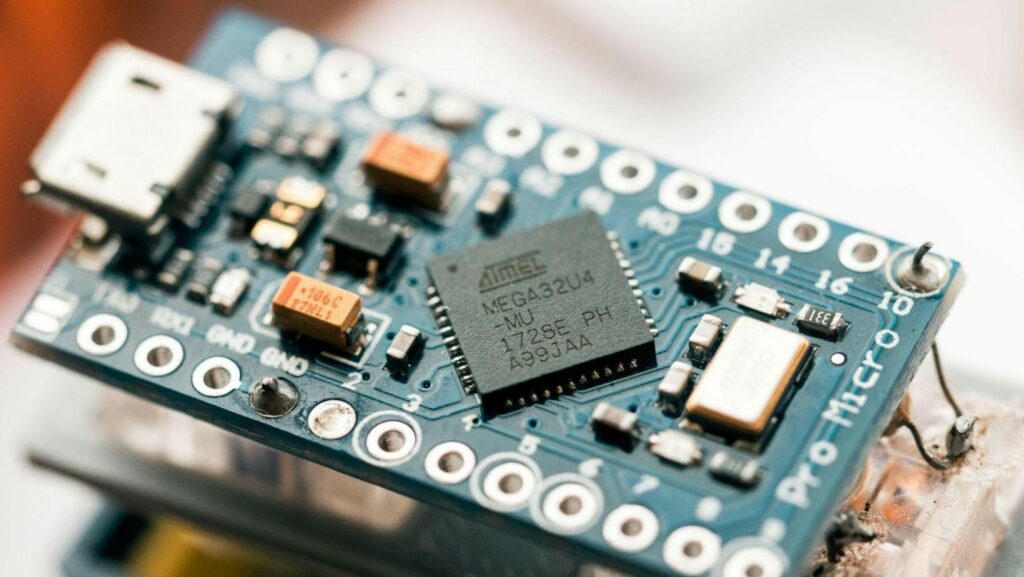
In the last decade, consumer electronics have undergone a quiet but powerful transformation. What began as a push for portability and connectivity has evolved into a sophisticated movement toward sensor integration, turning everyday devices into intelligent, responsive systems. Whether it’s a smartwatch that reads your blood oxygen levels, a refrigerator that tracks food expiration dates, or earbuds that adjust audio based on your environment, sensor-integrated consumer electronics are ushering in a new era of adaptive living.
This shift is not just about convenience—it’s about devices that understand context, improve efficiency, and promote wellness. As sensors become more miniaturized, accurate, and energy-efficient, they’re finding their way into a wide range of consumer products, fundamentally altering how we interact with technology.
Why Sensor Integration Matters
Sensors are the bridge between the physical and digital worlds. They enable machines to perceive elements like temperature, motion, light, sound, moisture, and chemical composition. In consumer electronics, these data points are converted into real-time feedback, allowing devices to tailor functionality to the user’s needs and environment.
This integration improves personalization, safety, and performance across devices. For example:
- Smart thermostats use motion and ambient temperature sensors to learn user habits and optimize energy use.
- Wearables like fitness trackers and smartwatches use heart rate, accelerometers, and gyroscopes to monitor activity and sleep cycles.
- Smart speakers adjust volume and noise suppression based on surrounding acoustic patterns.
By embedding these capabilities directly into devices, manufacturers can deliver seamless, automated experiences that feel intuitive and human-centered.
Core Technologies Driving the Shift
Several advancements are enabling this surge in sensor integration:
- MEMS (Micro-Electro-Mechanical Systems):
These are ultra-small mechanical and electronic components that form the basis of most modern sensors. MEMS devices are cheap, reliable, and compact, making them ideal for consumer products. - AI and Edge Computing:
With the help of artificial intelligence and localized processing power, devices can now interpret sensor data in real-time without sending it to the cloud. This reduces latency and protects user privacy. - Power Efficiency:
Low-power sensors and energy-harvesting technologies (e.g., kinetic or solar) have made it possible for devices to run longer on smaller batteries, a critical improvement for wearables and IoT applications. - Sensor Fusion:
Combining data from multiple sensors (like GPS + accelerometer + gyroscope) enables more accurate and nuanced readings, vital for features like indoor navigation, gesture recognition, or fall detection.
Industry Trends and Use Cases
From health to home automation, here’s how sensor tech is shaping the future:
1. Health & Wellness
Sensor-equipped devices now monitor vitals, sleep quality, hydration, and even stress levels. Smart rings and watches can detect arrhythmias or sleep apnea in real time. The market is also expanding into non-invasive glucose monitoring, which could revolutionize diabetes management.
2. Smart Home Devices
From lighting that adjusts based on circadian rhythms to air purifiers that respond to real-time pollution levels, smart homes are becoming more responsive and energy-conscious. Motion sensors improve security systems while optimizing HVAC operations.
3. Personalized Entertainment
Gaming controllers, AR/VR headsets, and smart TVs are increasingly equipped with proximity, pressure, and gesture sensors. These features enhance immersion and provide a tailored user experience. Future gaming systems could adapt their difficulty levels based on the player’s stress indicators or movement patterns.
4. Lifestyle Products
Interestingly, sensors are also making their way into wellness-related lifestyle devices. A good example is the HHC vape from TRĒ House, a product designed to provide controlled cannabinoid inhalation. These vapes are increasingly using precision temperature sensors and draw-activated triggers that adapt heat output based on the user’s inhalation pattern. This not only ensures consistent delivery and taste but also prevents overheating—making the experience safer and more user-friendly.
As sensor technology improves, even niche consumer products like personal diffusers, aroma therapy devices, and smart kitchen tools will rely on similar principles to offer tailored wellness outcomes.
Challenges and Ethical Considerations
With greater capability comes greater responsibility. As sensor-integrated electronics become ubiquitous, manufacturers must address:
- Privacy: Continuous data collection raises serious concerns about user privacy. Transparency and data anonymization will be essential.
- Security: Devices that gather sensitive health or location data can become targets for cyberattacks.
- Standardization: The lack of interoperability between devices can create fragmentation and reduce user trust.
- E-waste: As devices become smarter, their lifespans often shrink due to rapid obsolescence. More sustainable, modular designs will be crucial.
The Road Ahead
Sensor integration will continue to accelerate, driven by demand for smarter, more responsive tech. In the next five years, we can expect:
- Ambient intelligence: Environments that adapt automatically to human presence without active commands.
- Advanced biometrics: Seamless authentication via heartbeat patterns, skin conductivity, or even gait analysis.
- Context-aware AI: Algorithms that adjust behavior based on your surroundings and emotional state.
These innovations won’t just enhance usability—they’ll redefine what we expect from the devices we live with daily.
Conclusion: A Smarter, Sensor-Powered Future
From fitness trackers to THC wellness devices, sensor technology is embedding intelligence into nearly every corner of consumer electronics. What was once a gimmick has become a necessity, transforming devices into proactive partners in our daily routines.
As innovation continues to accelerate, the key will be balancing technological power with ethical responsibility—ensuring that smart devices enhance our lives without compromising our autonomy.