
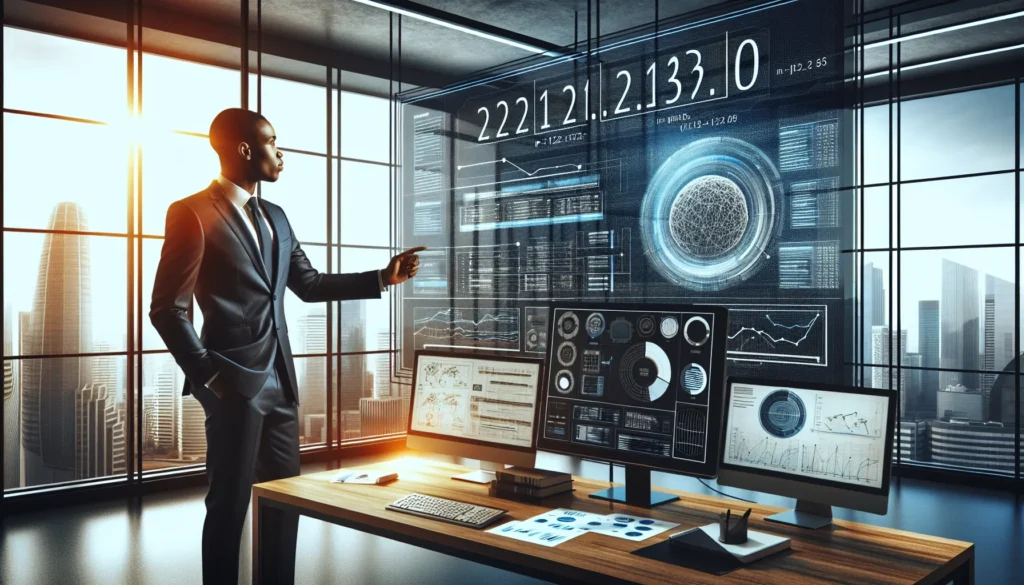
Welcome to our digital adventure where we decode the complexities of the internet, one IP address at a time. Ever wondered what makes up those seemingly random numbers that link us to the digital world? Spoiler alert: We’re diving deep into the realm of IP addresses, specifically the intriguing case of 222.127.132.10. This isn’t just another number: it’s the key to understanding how our devices communicate in cyberspace, and we think it’s worth a chuckle or two along the way. So, buckle up and let’s unravel this tech mystery together.
222.127.132.10
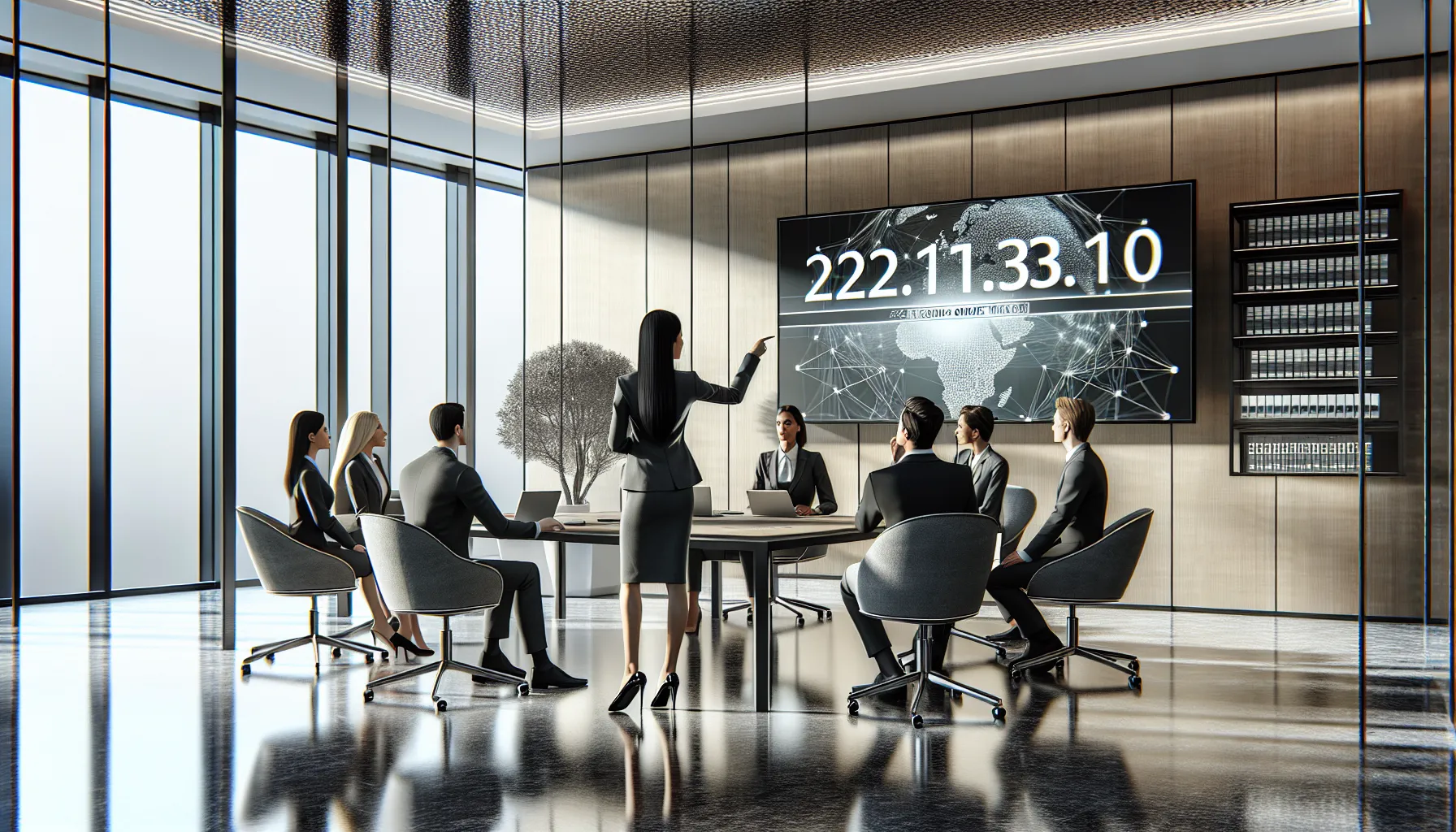
An IP address, or Internet Protocol address, is essentially a unique identifier assigned to each device connected to a network. Think of it as your device’s digital home address, essential for sending and receiving data across the internet. Without it, our devices would be like tourists in a foreign country, lost and confused without a map.
Overview of IPv4 and IPv6
There are two primary versions of IP addresses: IPv4 and IPv6. IPv4 is what most of us are familiar with, consisting of four sets of numbers separated by dots, for example, 222.127.132.10. With a limit of about 4.3 billion addresses, it’s kind of like a huge party that’s getting overbooked.
Enter IPv6, the superhero of the IP world, boasting an almost infinite number of addresses. It uses eight groups of hexadecimal numbers, designed to accommodate our ever-growing number of devices. This means we can all stay connected even as the internet grows exponentially.
The Role of Public and Private IP Addresses
IP addresses fall under two categories: public and private. Public IP addresses, like our friend 222.127.132.10, are assigned to devices that connect directly to the internet. Conversely, private IP addresses are used within local networks, like your home Wi-Fi, allowing devices to communicate without broadcasting their numbers to the world. It’s like having a secret identity that only your closest friends know about.
The Significance of 222.127.132.10
Now that we’ve got the basics down, let’s zoom in on 222.127.132.10. This IP address isn’t just a random string of numbers: it has its own story to tell.
Geolocation and Ownership
As we investigate into the geolocation of 222.127.132.10, we find that it’s tied to a specific geographic location. In fact, we can pinpoint its presence to a certain region or even city, thanks to geo-IP technology. This means when we type in this address, we can identify which region its signals are originating from, much like tracking a moving package on a delivery map.
Knowing the ownership of an IP address is equally fascinating. 222.127.132.10 belongs to an Internet Service Provider (ISP) that offers internet for various users. Often, IP addresses are assigned dynamically to users, which means this number could belong to different devices at different times, like a game of musical chairs, but with internet connectivity.
Common Uses and Applications
What do we use 222.127.132.10 for? The applications are as diverse as our digital needs. It could be handling web traffic for a website, facilitating VoIP calls, or even connecting devices within a private network. In this age of connectivity, understanding how IP addresses like this one operate helps us appreciate the intricate workings of the internet.
Security Implications of IP Addresses
Now, we can’t discuss IP addresses without considering their security implications. After all, with great power comes great responsibility.
Risks Associated with Unsecured IP Addresses
Unsecured IP addresses pose risks we can’t overlook. Cybercriminals can exploit vulnerabilities tied to these addresses, potentially launching attacks or gaining unauthorized access to sensitive information. If the devices connected to an unsecured IP are lax on security, it’s like leaving your front door wide open while going on vacation. Not advisable.
Best Practices for Securing Your IP Address

Don’t worry, though. There are best practices we can follow to protect our IP addresses and ensure our online safety.
- Use a Firewall: Firewalls act as a gatekeeper, monitoring and controlling incoming and outgoing network traffic based on predetermined security rules. This makes it much harder for intruders to get in.
- Change Default Settings: Many routers come with default usernames and passwords that are easy for hackers to guess. Customize these settings to enhance security.
- VPN Usage: Virtual Private Networks (VPNs) can mask your real IP address, encrypting your data and providing an additional layer of security. It’s like wearing a digital cloak of invisibility, a must for privacy.